
Where it all started
More Than Numbers: Why I Chose Accounting
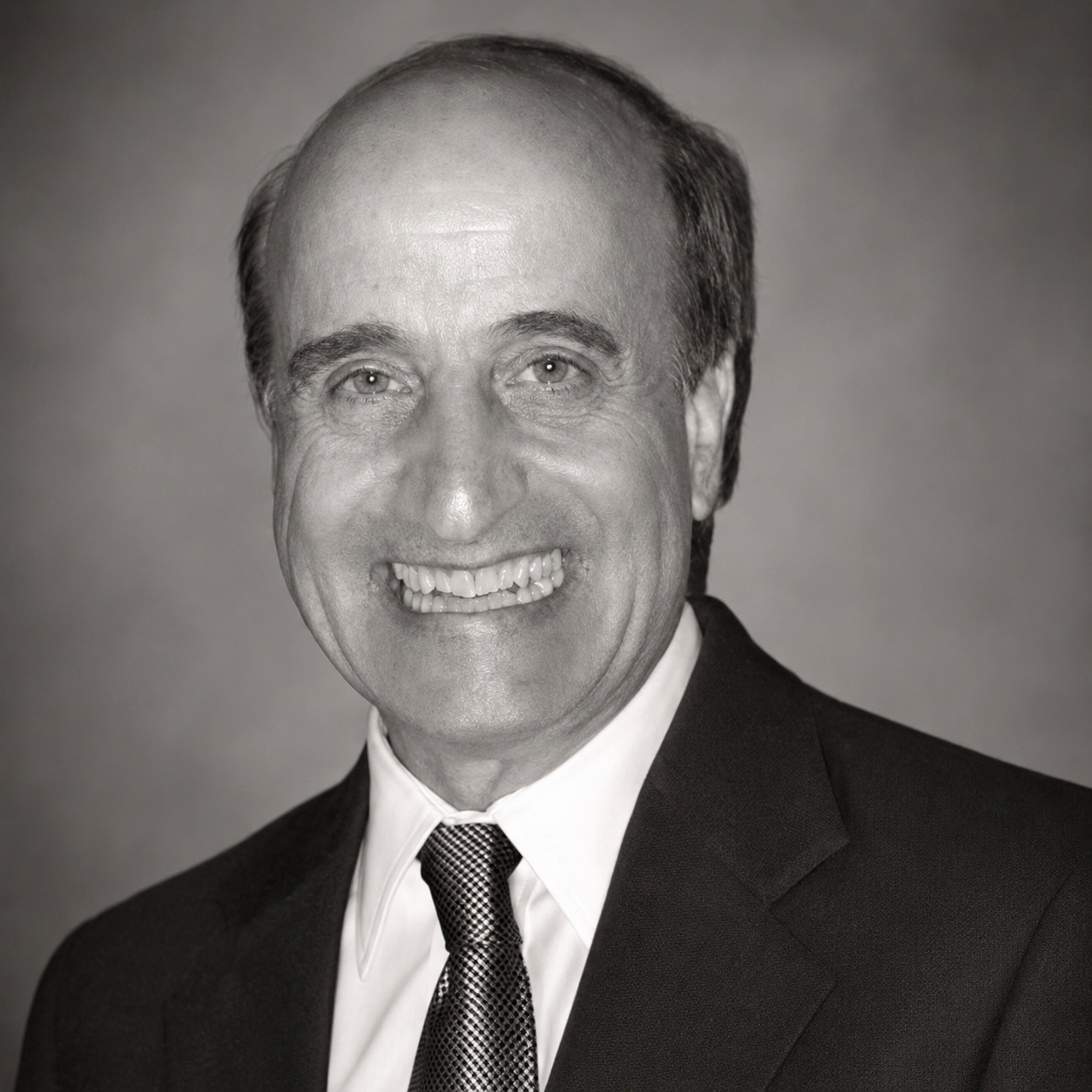
William E. Barranco
The Example
When I went to college, I did not have a clear picture of what I wanted to do with my life. Like many young people, I was trying to find a direction while also thinking practically about the future.
Accounting seemed like a sensible path. My dad was already established in the profession, and I believed that following a similar route would give me the security of always being able to find work. At the time, I did not fully understand accounting, and I certainly did not know whether I would enjoy it. I saw it primarily as a dependable career.
That changed after graduation, when I began working at my dad's firm.
For the first time, I was able to see my father not only as my dad, but through the eyes of the people who worked alongside him and the clients who depended on him. I saw the respect his colleagues had for him. I saw the trust his clients placed in him. People looked to him not simply because he understood numbers, tax rules, or financial statements, but because they knew he cared about what happened to them.
Behind every set of numbers was a person, a family, a business, or a dream.
Behind every set of numbers was a person, a family, a business, or a dream.
A financial statement could represent years of someone's hard work. A tax return could affect a family's plans for the future. A business decision could influence employees, customers, and an entire community. My dad understood that his work had real consequences in people's lives, and he treated that responsibility with great care.
Watching him helped me realize that accounting was about much more than numbers. It was about relationships, trust, responsibility, and service. It was about being present when someone was making an important decision, facing uncertainty, or planning for the next chapter of life.
Even though he is now retired, those principles have not retired with him. They remain part of who he is. He continues to put his faith first, to think about the needs of others, and to lead by example. His influence is still felt by the people he worked with, the clients he served, and especially by our family.
A principle that guides his life
God first. Others second. Me last.
This was not simply something he said. It was reflected in the way he lived, the way he led, and the way he served his clients.
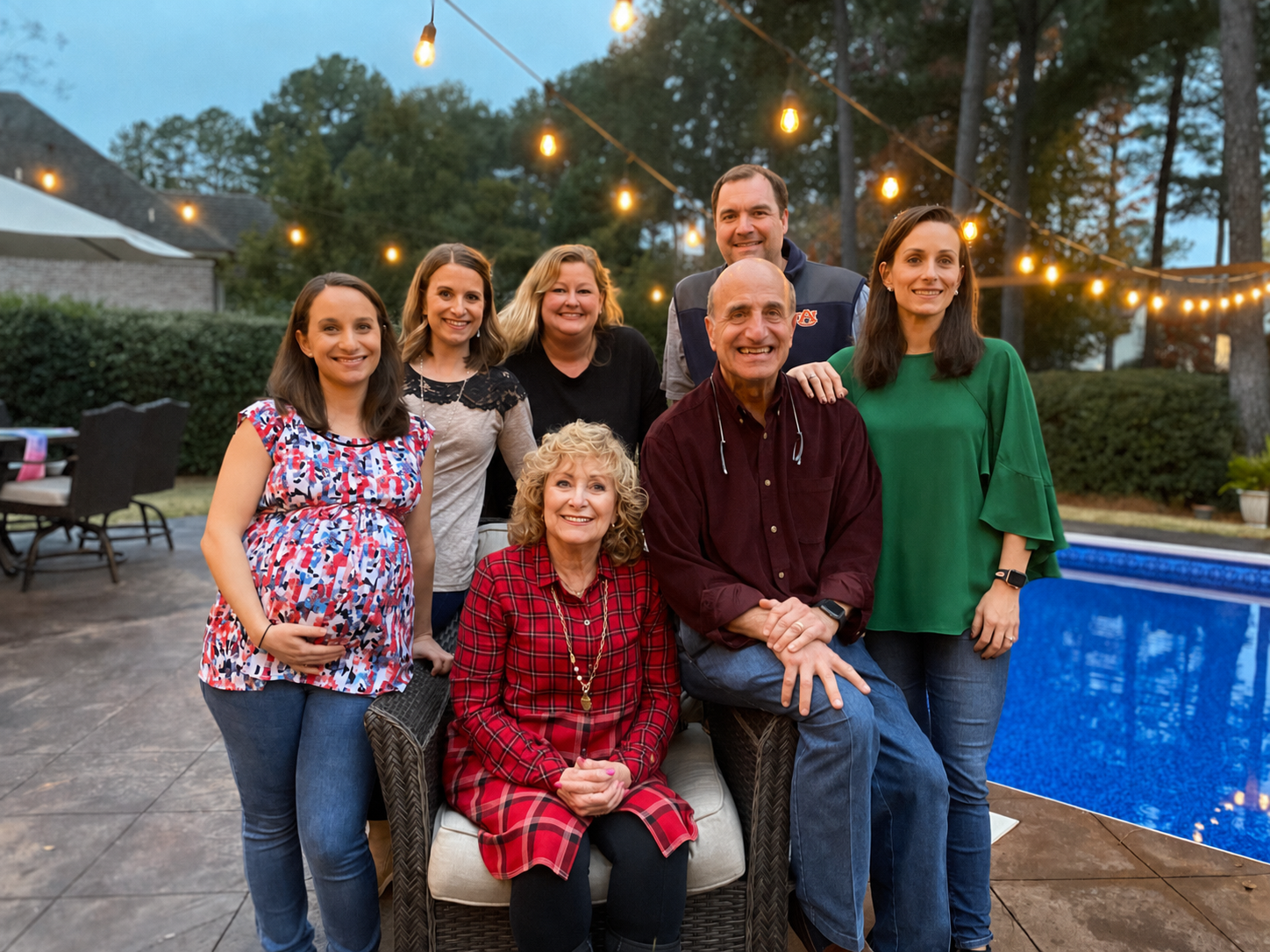
Over time, I came to understand that my dad had given me much more than an introduction to a profession. He had given me a model for how that profession should be practiced.
That example continues to shape our mission today.
We strive to provide technically sound, accurate, and diligent work, but our responsibility does not end there. We want to understand the person and the purpose behind every financial decision. We want our clients to feel heard, supported, and known — not processed. We want to be available during difficult moments, proactive when opportunities arise, and honest enough to offer clear guidance even when the answer may not be the easiest one.
Our success is not measured only by completed returns, balanced statements, or reports delivered on time. It is also measured by the confidence our clients gain, the problems we help them solve, and the positive impact our work can have on their businesses, families, and futures.
I originally entered accounting because I believed it would provide a reliable career. I stayed because my dad showed me what the profession could truly be.
He showed me that excellence is a form of service. He showed me that trust is earned through consistency, preparation, and genuine care. Most importantly, he showed me that when we put God first, others second, and ourselves last, our work can become something far more meaningful than a job.
It can become a way to make a difference.
I am grateful for the career I have built, but I am even more grateful for the example that helped me build it. The values my dad brought to his work continue to guide the way we serve our clients today — and they remain at the heart of why I chose this profession.